

How to Improve Your Paddle Strength Without the Ocean
Ask any surfer what separates a great session from a frustrating one, and the answer usually isn't skill — it's fitness. Specifically, paddle fitness. You paddle out, you miss a set because your arms gave out. You paddle for a wave half a second too slow and it passes under you. You spend your last hour in the lineup just surviving instead of surfing.
It doesn't have to be that way.
The good news: you don't need the ocean to fix it. Here's how to build real, surf-specific paddle strength on your own schedule, wherever you are.
Why Paddle Strength Matters More Than You Think
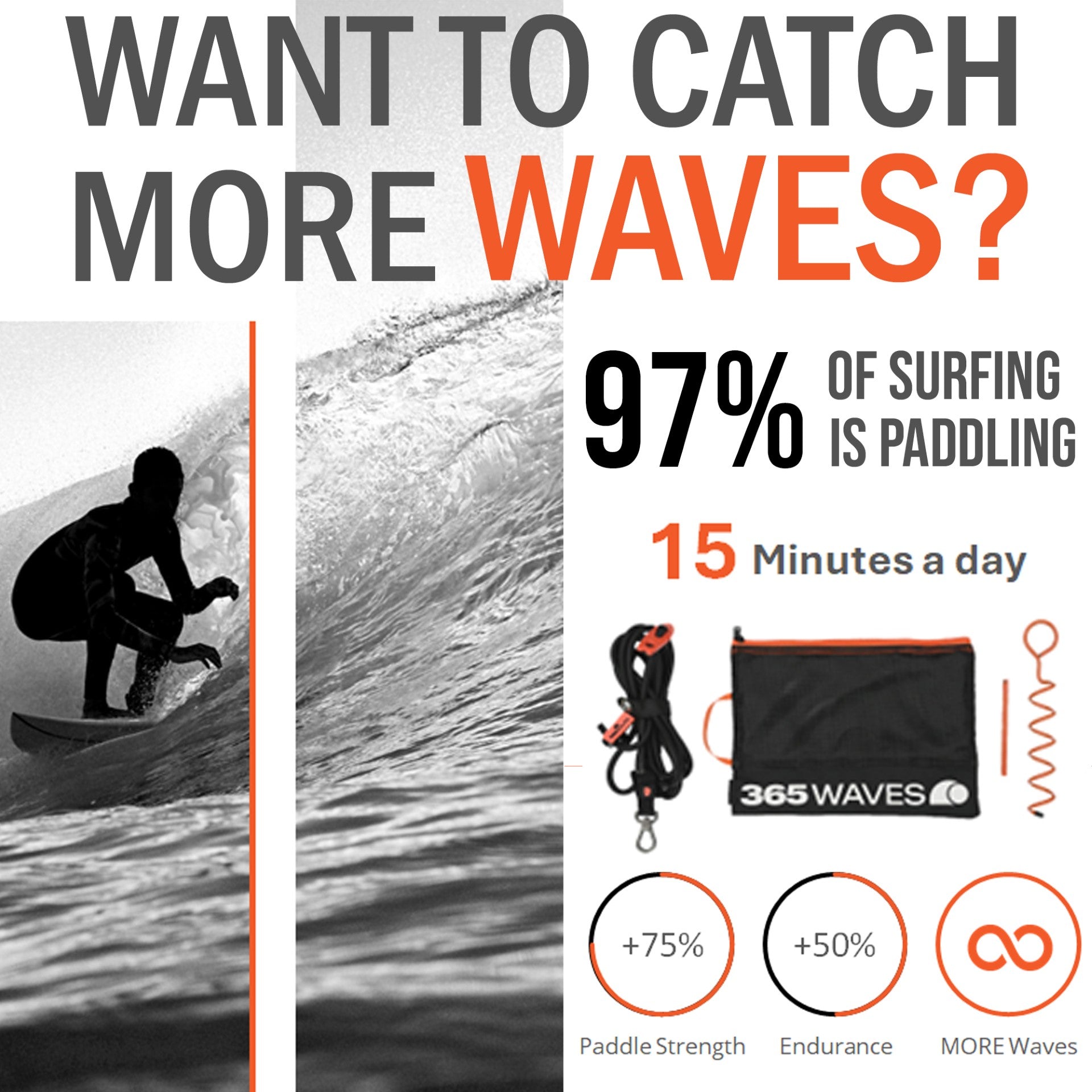
Here's the stat that changes everything: surfers spend approximately 97% of their time in the water paddling. Not riding waves — paddling. Paddling out through the break. Paddling into position. Paddling to catch the wave before someone else does.
Wave count is almost entirely determined by paddle strength and endurance. The surfer who catches the most waves isn't always the most technically gifted — they're the one who can paddle harder, longer, and with better positioning than everyone else in the lineup.
So if you want to surf better, the single highest-impact thing you can train is your paddle.
The Problem With Most Surf Training
Most surfers who want to train resort to generic gym workouts — lat pulldowns, rows, shoulder presses. These build general upper body strength, but they don't replicate the exact movement pattern of paddling. The timing, the reach, the rotation, the endurance — it's all different.
Swimming is better, but it still isn't paddling on a board. Your body position is different, your stroke mechanics are different, and you're not building the core stability and hip flexor endurance that come with being prone on a surfboard.
The most effective paddle training is actual paddling — which requires water, a board, and ideally some form of resistance.
The Most Effective Way to Train Your Paddle
The 365Waves Resistance Surf Trainer Kit was built specifically for this problem. It attaches to the edge of any pool, lake, pond, or calm body of water and lets you paddle your actual surfboard against resistance — the exact motion, the exact muscles, the exact body position.
Ten to fifteen minutes of resistance paddle training builds more surf-specific strength than an hour of gym work, because you're training the movement that actually matters.
"Amazing workout in such a short period of time!" — Mark P., Manasquan, NJ
"I was able to go twice as fast and last twice as long in the water!" — Robert A., Atlanta, GA
The difference shows up immediately on your next surf session. You paddle out faster, you're in position earlier, and you're still paddling strong in your last hour when everyone else is fading.
Supplemental Training to Build Paddle Strength
If you want to maximize your paddle fitness, pair the Resistance Surf Trainer with these targeted exercises:
1. Prone Paddling in a Pool (Without Resistance)
Even without resistance, paddling your board in a pool builds the exact movement pattern you need. Focus on full extension on each stroke, keeping your hips low, and maintaining a smooth rhythm. Aim for 20-minute sessions, 3x per week.
2. Single-Arm Dumbbell Rows
The closest gym movement to a paddle stroke. Use a weight that lets you do 3 sets of 15 with full range of motion. Focus on the pull from a fully extended arm — that's the stroke.
3. Prone Cobra / Back Extensions
Paddling requires holding your chest up off the board for extended periods. This destroys unprepared lower backs and hip flexors. Prone cobras and back extensions specifically target this. Do them daily.
4. Rotator Cuff Strengthening
Paddle injuries are almost always rotator cuff issues. Internal and external rotation exercises with a light resistance band, done 3x per week, are cheap insurance against the shoulder problems that end surf seasons early.
5. Swimming (Any Stroke)
Swimming builds general paddle endurance even if the mechanics differ. If the pool is available, twenty minutes of freestyle between resistance training sessions will compound your gains quickly.
A Simple Weekly Training Plan
If you have access to a pool or calm water body 3 days a week, here's a straightforward plan:
Day 1: 15 min Resistance Surf Trainer + 10 min prone paddling without resistance
Day 2: Gym — single-arm rows, prone cobras, rotator cuff work
Day 3: 15 min Resistance Surf Trainer + 20 min swimming
Day 4: Rest
Day 5: Gym — repeat Day 2
Days 6-7: Rest or surf
Do this consistently for 2-3 weeks and the difference in your next surf session will be immediately noticeable.
The Bottom Line
You don't need to live near the ocean to paddle like a surfer who does. The ocean is where you test your fitness — the pool, the pond, and the gym are where you build it.
97% of surfing is paddling. Train for it.
Get the 365Waves Resistance Surf Trainer Kit →
Free shipping. Built for surfers, by surfers. Your next session will thank you.
Read more
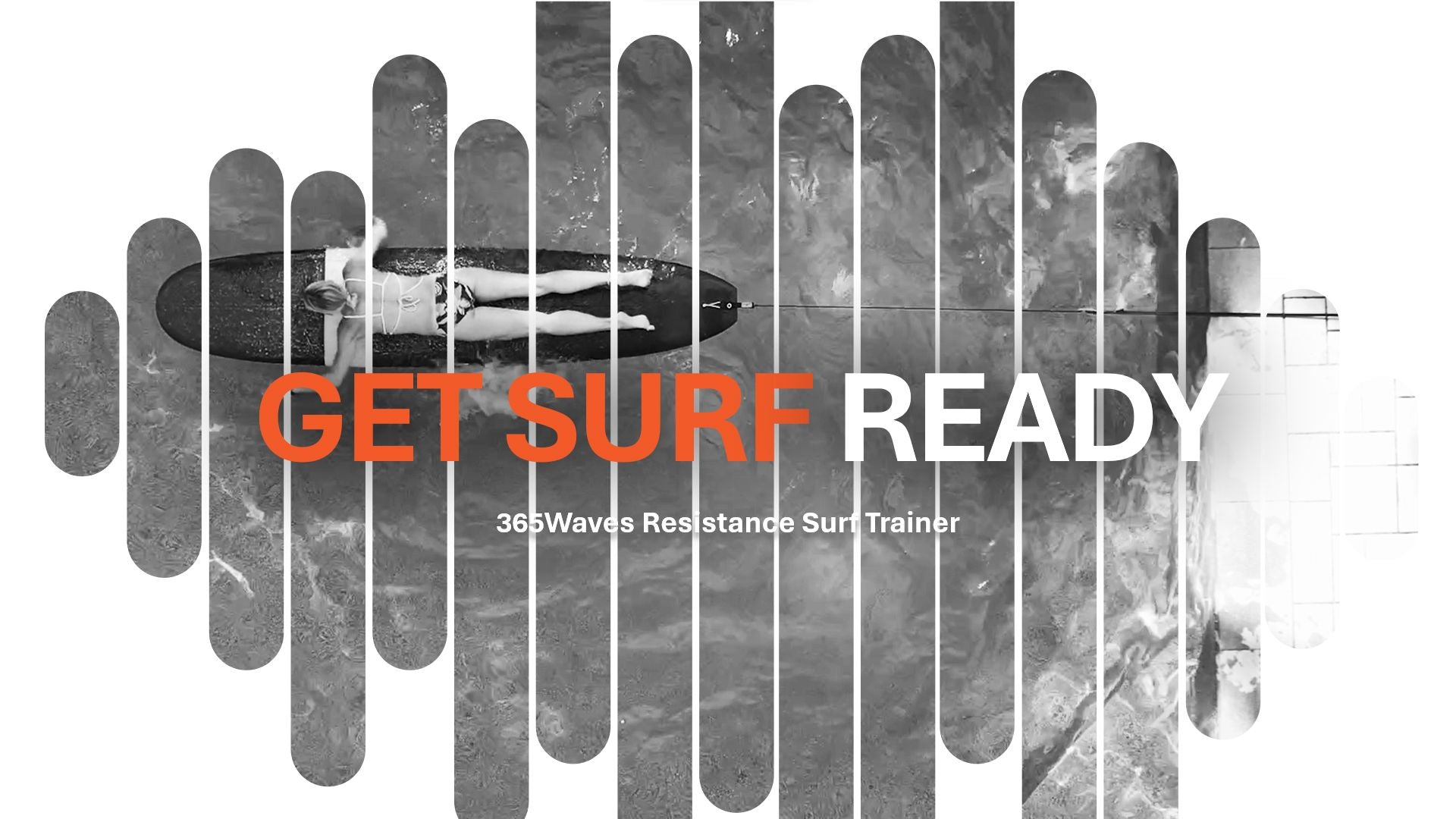
The Best Gifts for Surfers (That They Actually Want)
Most surf gifts miss the mark. Here's what surfers actually want — and one gift that will make them a better surfer every time they paddle out.
Read more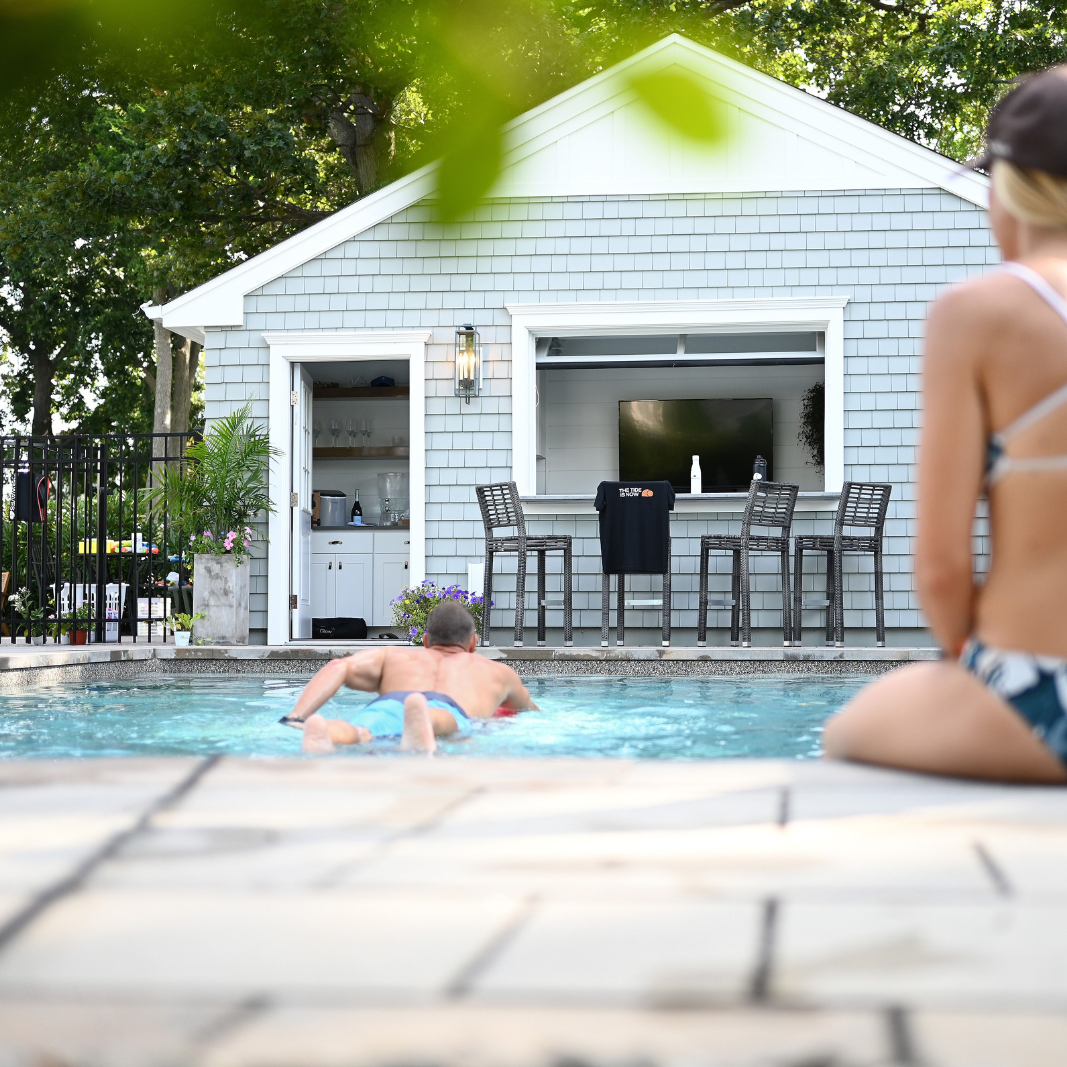
Landlocked Surfer? Here's How to Stay in Surf Shape Year-Round
You don't have to show up to every surf trip out of shape. Here's how landlocked surfers train year-round — no ocean needed.
Read more